Dysport Effectiveness Timeline and Expected Results Explained
Dysport has become a popular cosmetic procedure in recent years for those seeking to reduce wrinkles and achieve a more youthful appearance. As a botulinum toxin-based injectable, Dysport works by relaxing targeted muscles to soften dynamic lines such as frown lines, crow’s feet, and forehead wrinkles. Understanding the effectiveness of Dysport, including how long it takes to see results, how long the effects last, and what influences the duration, is crucial for patients considering this treatment.
This comprehensive guide breaks down the timeline and expected results of Dysport, while discussing side effects, providing information on aftercare, and covering important factors like dosage, consultation, and application techniques from trained dermatologists.
Overview of Dysport
Dysport is a neurotoxin derived from botulinum toxin type A. It is FDA-approved for both medical and aesthetic purposes, especially for treating moderate to severe glabellar lines, the vertical wrinkles between the eyebrows.
Like other injectables, Dysport is administered through injections into the muscles responsible for forming facial expression lines. Once administered, the medication temporarily blocks communication between nerves and muscles, allowing the targeted area to relax. This muscle relaxation smooths the skin and minimizes the appearance of lines and wrinkles.
One of Dysport’s unique advantages is how it spreads within the treatment area, making it especially effective for larger regions of the face, like the forehead.
The Process of Dysport
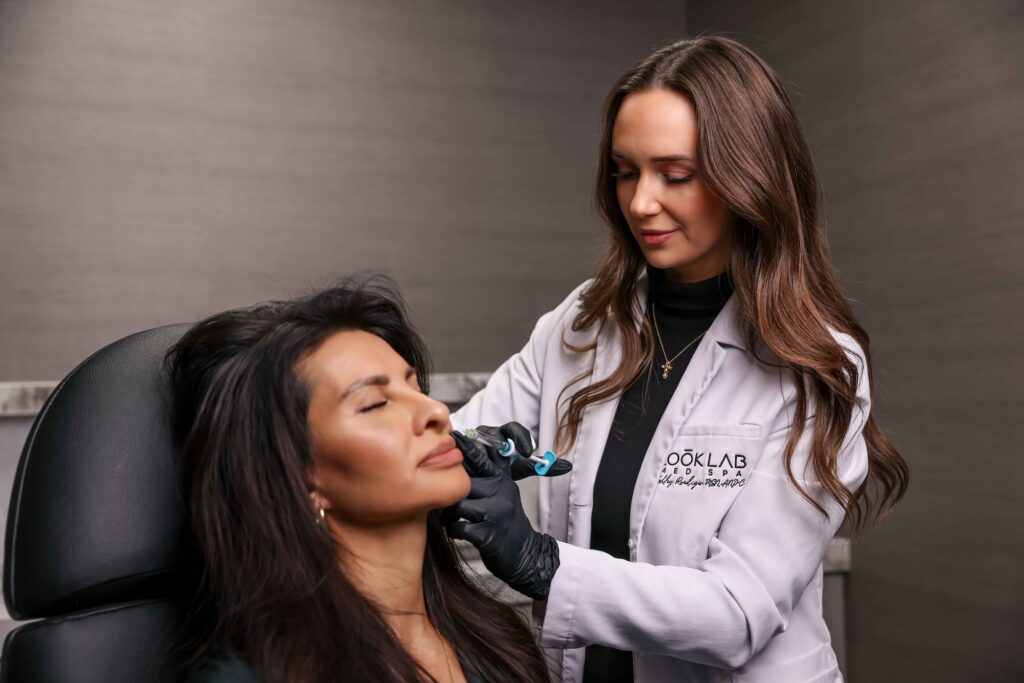
The Dysport procedure is typically performed in a medical setting by a qualified, licensed provider. During an initial consultation, the patient discusses their aesthetic goals, medical history, and desired treatment areas—such as the forehead, brows, or around the eyes.
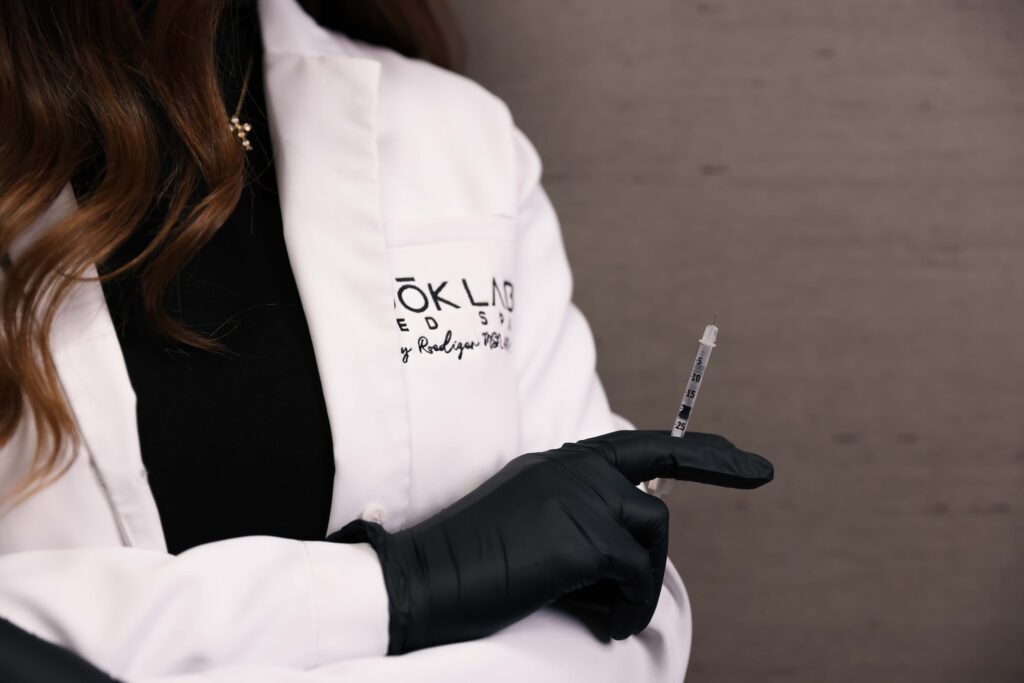
The actual application takes around 10 to 20 minutes. A fine needle is used to deliver Dysport directly into the muscles underlying the wrinkle-prone areas. To ease any discomfort, a topical anesthetic may be applied beforehand, although the injections are typically well-tolerated.
The number of units and injection points will vary depending on the individual’s goals, facial structure, and muscle activity in areas like the forehead, crow’s feet, and around the mouth.
Typical Onset Timeline
One of the key factors that attracts people to Dysport is the relatively quick onset of results. Most patients begin to see an improvement in appearance within 2 to 3 days after the procedure. However, optimal results usually take around 5 to 7 days to become fully visible.
This quick activation is one reason why many patients prefer Dysport when they want noticeable improvements in a short timeframe—such as before events or photo sessions.
Despite the quick onset, it’s important to note that the body needs time to fully respond to the medication. For some individuals, visible changes may take closer to a week or even two weeks, depending on various factors such as muscle strength, metabolism, and skin condition.
Factors Affecting Speed of Results
Several factors can impact how quickly and how well Dysport takes effect:
- Muscle strength: Individuals with stronger facial muscles, particularly in the forehead or around the eyes, may require more units or longer for full relaxation.
- Metabolism: A faster metabolic rate can affect how long the neurotoxin stays active, potentially impacting both onset and duration.
- Application technique: The skill and expertise of the administering professional influence how well Dysport settles into the targeted areas.
- Skin condition: Thicker or more damaged skin might delay visible effects.
- Post-treatment behavior: Activities like intense exercise or facial massages immediately after injection can interfere with proper absorption.
Individual Variations in Response Time
Every patient is unique, and so is their response to Dysport. Some individuals see dramatic improvements in just a few days, while others require weeks to appreciate the full effects.
Age, skin thickness, lifestyle, and genetics all contribute to this variability. For example, younger patients with fewer wrinkles might see more immediate and noticeable results, while older patients may need complementary procedures like fillers or laser treatments to achieve their desired goals.
Comparison with Other Treatments (e.g., Botox)
While Dysport and Botox are both made from botulinum toxin, there are distinct differences that may affect patient choice:
- Onset of results: Dysport generally shows effects faster (within 2–3 days), while Botox can take up to 7–14 days.
- Spread of application: Dysport tends to diffuse more, making it ideal for larger treatment areas like the forehead. Botox may offer more precision in smaller areas.
- Dosage differences: Dysport units are not interchangeable with Botox units. A qualified professional will determine the appropriate dosage based on the product used.
- Duration: Both typically last 3 to 4 months, but some patients report Dysport duration varying, depending on the treatment area and individual response.
Other injectables like Restylane and other products address volume loss rather than muscle movement, and are often used alongside neurotoxins like Dysport for a more complete aesthetic result.
Post-Treatment Care and Expectations
After receiving Dysport injections, most patients can resume normal activity the same day, but should avoid certain actions that may affect treatment:
- Avoid lying down flat for 4–6 hours
- Do not touch or massage the treatment area
- Refrain from exercise for at least 24 hours
- Minimize exposure to heat (hot tubs, saunas, etc.)
Mild bruising, swelling, or tenderness at the injection site is normal and usually resolves in a few days. The use of cold compresses and avoiding blood-thinning medications (unless prescribed) can reduce the chance of bruising.
Results will become more noticeable over the first week, and most people experience a significant improvement in forehead wrinkles, crow’s feet, and frown lines while maintaining natural facial expressions.
Common Side Effects and Concerns
Like any injectable medication, Dysport carries potential side effects, though most are mild and temporary. These may include:
- Bruising or swelling at the injection site
- Mild headache
- Temporary eyelid droop (ptosis)
- Minor discomfort or tenderness
Rare but serious side effects can occur if the neurotoxin spreads beyond the intended muscles, though this is uncommon when administered by a trained Injector.
Discuss any concerns, allergies, or past reactions during your consultation to reduce the risk of complications.
Long-term Effects of Dysport Usage
When used consistently, Dysport can be part of a long-term aesthetic strategy to maintain a smooth, youthful look. Many patients opt for treatments every 3 to 4 months to preserve results, especially in high-movement areas like the forehead or around the eyes.
With ongoing injections, some people find that their muscles “train” to remain more relaxed, possibly extending the duration of effects and reducing the frequency of treatments needed.
Long-term use of Dysport is considered safe, with no cumulative toxicity in healthy individuals. However, it’s advisable to allow periods between procedures to avoid potential resistance (though rare) to the neurotoxin.
Conclusion
Dysport is a powerful injectable option for anyone seeking to reduce the signs of aging, improve the appearance of wrinkles, and achieve smoother skin with minimal downtime. Thanks to its fast onset, broad application, and natural-looking results, it continues to be a top choice among both patients and dermatologists.
Whether you’re targeting forehead lines, crow’s feet, or frown lines, Dysport offers an effective, non-surgical way to meet your aesthetic goals. For best results, always seek a thorough consultation with a certified professional who understands the intricacies of facial anatomy, muscle behavior, and the art of injectables.
Take the Next Step Toward Youthful, Radiant Skin
Whether you’re looking to reduce frown lines, soften forehead wrinkles, or smooth the crow’s feet around your eyes, the skilled aesthetic injectors at Look Lab Med Spa are here to help.
We offer a full range of services designed to enhance your natural beauty and deliver noticeable yet natural results.
Book your appointment today to learn how personalized Dysport treatments can help you achieve your aesthetic goals—with minimal downtime and expert care every step of the way.
Frequently Asked Questions (FAQs) About Dysport
What’s the difference between Dysport and Botox?
While both are injectables made from botulinum toxin, Dysport typically has a faster onset and a broader spread within the treatment area, which can be advantageous for treating larger regions like the forehead. The choice between the two depends on individual goals, dosage needs, and your provider’s expertise.
What is Dysport used for?
Dysport is primarily used as a cosmetic procedure to reduce the appearance of dynamic wrinkles caused by repeated facial expressions. The treatment targets key areas such as the forehead, the space between the brows (frown lines), and the skin surrounding the eyes (crow’s feet), where it works by temporarily relaxing the underlying muscles to create a smoother, more youthful complexion.
Are the injections painful?
Most patients report only mild discomfort during the injections. The needle used is very fine, and a topical anesthetic can be applied to reduce any sensation. The process is usually quick, taking only a few minutes.
Who is a good candidate for Dysport?
Adults under the care of a licensed provider who want to reduce wrinkles caused by muscle movement (like frown lines or forehead wrinkles) are typically good candidates. A thorough consultation will help determine if Dysport aligns with your goals and medical history.
How long do the effects of Dysport last?
The typical duration of Dysport’s results is about 3 to 4 months. Over time, patients may notice a longer-lasting effect with regular treatments, as the muscles become more conditioned to relaxation.