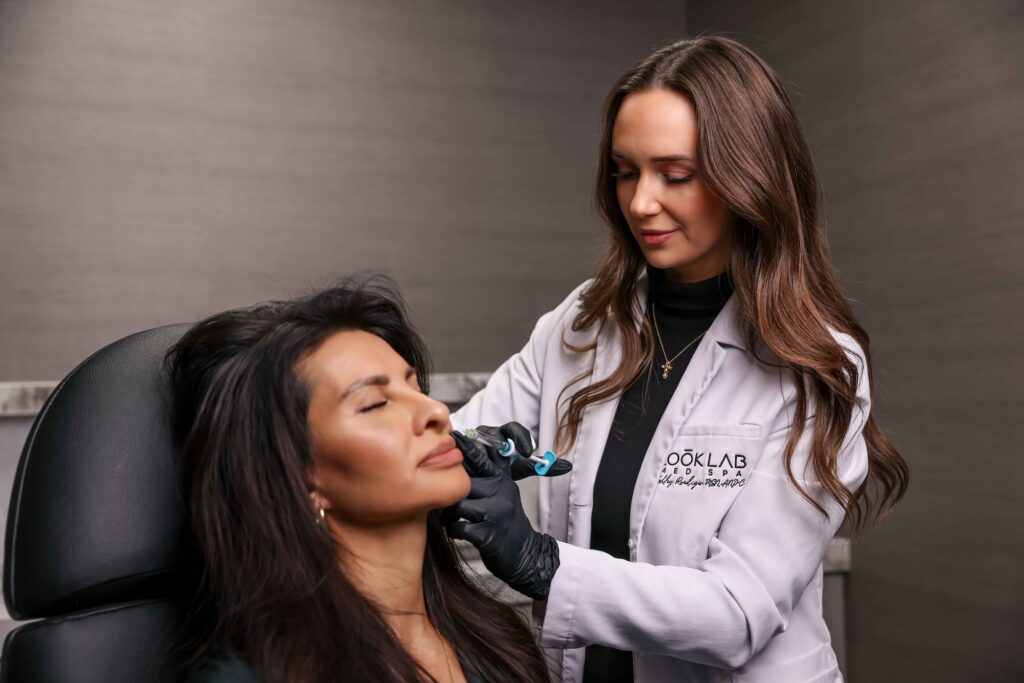
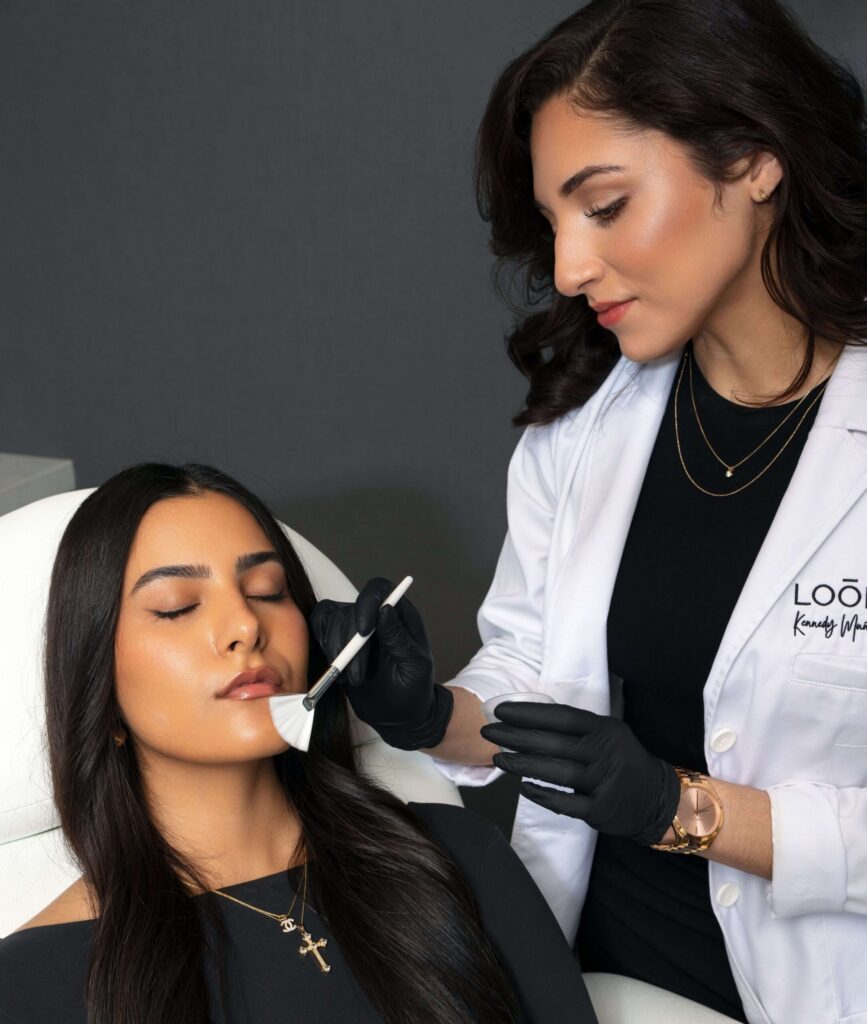
Chemical peels are one of the most popular skincare treatments for improving the appearance of the skin, reducing fine lines, acne, hyperpigmentation, and sun damage. But as many patients quickly learn, the results of a chemical peel treatment don’t just depend on the procedure itself — the healing process afterward is just as important. Even small mistakes during recovery can lead to irritation, redness, scarring, or uneven pigmentation.
If you’re considering a chemical peel or have just had one, here’s a guide to what to avoid and how to properly care for your skin to maximize your results.
1. Skipping Sunscreen (SPF)
After a chemical peel, your skin becomes highly sensitive to sun exposure. UV rays can cause sunburn, inflammation, and worsen hyperpigmentation or sun damage. Many people make the mistake of thinking a small amount of sun won’t hurt, but even brief exposure can damage the delicate layers of skin that are healing.
Tip: Use a broad-spectrum sunscreen with SPF 30 or higher every day, even if you’re indoors. Sunscreen is an essential part of the skincare routine after a peel.
2. Picking or Scrubbing Peeling Skin
Peeling is a natural part of the healing process, especially with medium and deep peels, as the old layers shed to reveal fresh skin underneath. People often make the mistake of peeling off skin manually or using scrubs.
This can cause:
- Scarring
- Infection
- Uneven pigmentation
Tip: Let skin peeling happen naturally. Gentle hydration with a moisturizer is a safer option.
3. Using Harsh Skincare Products Too Soon
Your skin is recovering from treatment, and using retinol, exfoliating acids, or harsh cleansers too early can lead to irritation, redness, and damage to the healing layers. Laser treatments, fillers, or other skin treatments should also be timed carefully with chemical peels to avoid complications.
Tip: Stick to gentle cleansers, moisturizers, and hydrating products. Follow your esthetician’s or dermatologist’s instructions.
4. Overwashing or Scrubbing the Skin
Even though it’s tempting to wash your face and body more often during healing, excessive water, hot showers, or scrubs can disrupt skin peeling and prolong downtime. Dryness and irritation are common when the protective layer is removed too aggressively.
Tip: Wash with lukewarm water and avoid scrubs until skin fully recovers.
5. Skipping Moisturizer
Hydration is essential during chemical peel recovery. Without a proper moisturizer, skin can become dry, flaky, or more prone to irritation. A good moisturizer supports the healing process and keeps skin soft and healthy.
Tip: Apply a gentle moisturizer multiple times a day to maintain hydration.
6. Ignoring Professional Advice
Every skin type and treatment is unique. Some peels are stronger and require more downtime, while others are lighter and can be repeated more often. Patients often avoid following instructions, risking inflammation, infection, or poor results.
Tip: Always follow your provider’s advice, including the number of products to use, the frequency of your skincare routine, and downtime recommendations.
7. Returning to Makeup or Sun Too Soon
After chemical peel treatments, the skin is vulnerable. Applying makeup too early or skipping sun protection can cause irritation, clogged pores, or inflammation.
Tip: Wait until your skin has fully recovered before using heavy makeup, and always use SPF when heading outdoors.
8. Other Mistakes to Avoid
- Using the wrong ingredients for your skin concerns (like strong acids on sensitive skin)
- Exposing hands or body to sun without protection
- Frequent saunas or intense workouts that cause sweating on healing skin
- Mixing treatments (like fillers, laser treatments, and chemical peels) without professional guidance
Tips for a Safe Healing Process
- Stick to a gentle skincare routine
- Keep your skin hydrated with moisturizer
- Avoid sun exposure and always use sunscreen/SPF
- Let skin peeling occur naturally
- Follow professional instructions for aftercare
- Wait before using strong acids, retinol, or other treatments
By paying attention to these mistakes, you’ll support your skin during the healing process, reduce redness, irritation, and inflammation, and get the best results from your chemical peel treatment.
Conclusion
Chemical peels are powerful skin treatments, but post-peel care is just as important as the procedure itself. Avoiding these mistakes ensures healthy layers, hydration, and a smoother, brighter appearance — whether you’re targeting acne, lines, pigmentation, or just improving skin texture.
Want more skin tips?
Whether you’re looking for advice on hydration, anti-aging, acne, or general skin care routines, we’ve got you covered. Check out our blog posts for practical tips to keep your skin looking and feeling its best every day.
Reveal Your Best Skin with a Customized Chemical Peel
Ready to refresh your skin, reduce fine lines, minimize acne scars, and achieve a brighter, more even complexion with a professional chemical peel treatment?
Look Lab Med Spa offers customized chemical peel services performed by experienced aesthetic providers who tailor each session to your skin type, concerns, and goals. Our team focuses on improving overall skin health, addressing hyperpigmentation, sun damage, texture issues, and signs of aging, while supporting natural healing and rejuvenation for safe, effective results.
We provide a variety of types of chemical peels, ensuring the best approach to meet your unique skincare needs. Whether you’re looking to treat something specific like acne or just improve your skin’s overall appearance, our approach covers all aspects of skin health.
Look Lab Med Spa proudly serves patients across Arcadia, Scottsdale, Clayton, Denver, and Winter Park, making it easy to access personalized, high-quality chemical peel care close to home.
Schedule your chemical peel treatment today, and let our skilled providers create a customized skincare plan designed to restore smooth texture, boost hydration, and reveal your skin’s natural radiance. For more information about chemical peels and how they can help you achieve your skincare goals, contact us or fill out our online form, and a team member will reach out promptly.
Frequently Asked Questions
What is a chemical peel?
A chemical peel is a skin treatment that uses special acids to remove damaged layers of skin in a targeted area, helping improve texture, pigmentation, and acne scars.
How long does it take to recover from a chemical peel?
Recovery depends on the type and level of the peel. Light peels may take a few days, while deeper peels can take 1–2 weeks. Redness, peeling, and sensitivity are normal during the healing process.
Can I wear makeup after a chemical peel?
It’s best to wait until your skin has fully healed. Using makeup too early can cause irritation or infection and may affect your results.
How often should I get a chemical peel?
Frequency depends on your skin type, condition, and goals. Light peels can be done every few weeks, while stronger peels need longer downtime. Always follow your provider’s instructions for the best outcome.
What should I avoid after a chemical peel?
Avoid sun exposure, harsh products, picking at peeling skin, scrubs, and heat from saunas or intense workouts. Stick to hydration, a gentle cleanser, and sunscreen for the best way to support healing and protect your skin.
Can I go in the sun immediately after a chemical peel?
No. After a chemical peel, your skin is very sensitive to the sun. Sun exposure can cause redness, irritation, and even hyperpigmentation. Always use sunscreen and try to stay in the shade until your skin has healed.
Can I touch or pick my skin after a peel?
No. Touching or picking at peeling skin can cause infection, scarring, and slow the healing process. Let your skin naturally shed its layers and focus on gentle hydration. Avoid doing things that could disrupt recovery.
Are there foods to avoid after a chemical peel?
While no foods will undo your chemical peel, it’s best to avoid anything that can cause inflammation, like very spicy or greasy foods. Eating a balanced diet with plenty of water and nutrients supports healing from the inside out.
Will a chemical peel help with acne scars?
Yes. Chemical peels can help reduce the appearance of acne scars by removing damaged skin layers and promoting healing. Multiple treatments may be needed for the best results, depending on your skin type.
What are the common side effects of a chemical peel?
After a chemical peel, it’s normal to experience redness, peeling, dryness, or mild irritation. These usually go away as your skin heals. More serious side effects, like infection or scarring, are rare when you follow proper aftercare instructions.