Sclerotherapy Recovery: Tips for Faster Healing
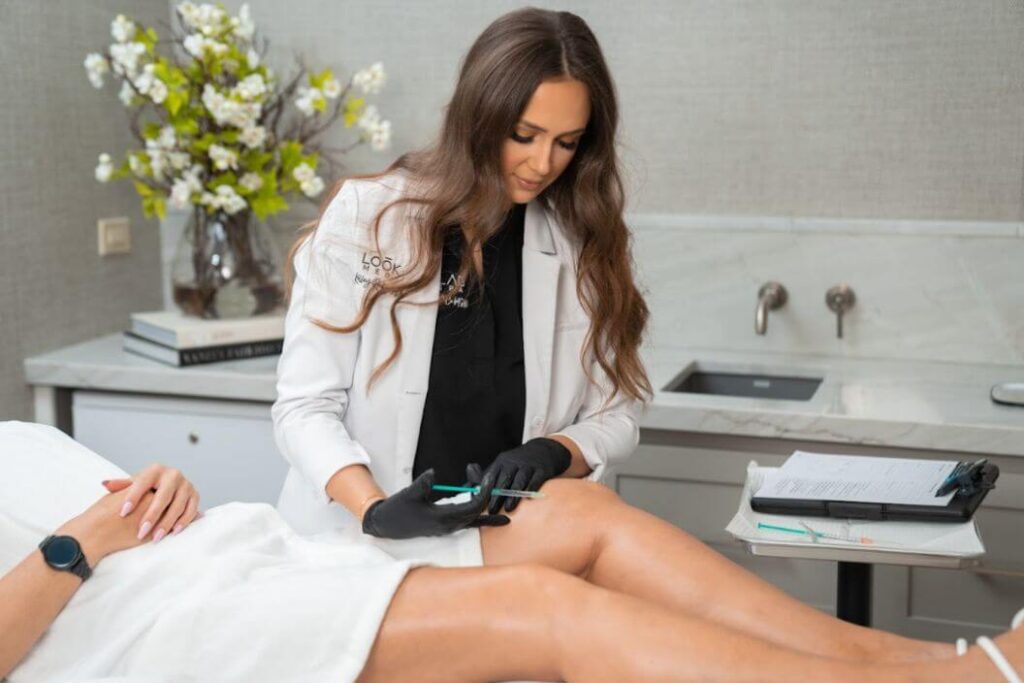
Sclerotherapy remains one of the most effective treatments for spider veins and smaller varicose veins. During the procedure, a specialized solution is injected into the targeted veins, making them collapse and gradually disappear. While the treatment itself is minimally invasive and has little downtime, proper recovery is key to achieving the best results and minimizing swelling, bruising, and other temporary symptoms. Carefully following post-treatment instructions helps support circulation, reduce inflammation, and lower the risk of complications such as blood clots or infection.
Immediate Post-Treatment Care
Right after your sclerotherapy session, support bandages or compression stockings are usually applied to the treated areas. These help maintain pressure on the injected veins, improve blood flow, and prevent blood from re-entering the closed blood vessels. You will be encouraged to begin walking immediately—short, gentle walks promote circulation and reduce the risk of blood clots forming in the legs. Most patients can leave the office within an hour and resume many normal activities the same day.
Avoid hot baths, saunas, or anything that creates excessive warmth for the first 48–72 hours, as heat can increase swelling and discomfort. Cool or lukewarm showers are perfectly fine. Rest when needed, but do not spend the entire day lying down; movement is essential for healthy recovery.
Managing Pain and Discomfort
Mild discomfort, cramping, or aching in the legs is common during the first few days after sclerotherapy. Some patients also experience itching or a sensation of tightness in the treated area. Over-the-counter pain relievers such as ibuprofen or aspirin (if approved by your doctor) usually provide sufficient pain management. If nausea occurs as a side effect of medication, take the pills with food.
To further ease discomfort, elevate the legs above heart level several times a day for 15–20 minutes each time. This simple step reduces swelling, bruising, and overall pressure in the lower legs. Applying an ice pack wrapped in a cloth to the injection sites can also help reduce inflammation and provide quick relief.
Compression Stockings Usage
Wearing medical-grade compression stockings is one of the most important things you can do during recovery. Typically, they are worn for 1–3 weeks—sometimes only during the day and sometimes 24 hours a day for the first several days. The gentle pressure from the stockings supports healing veins, minimizes bruising and swelling, and encourages proper blood flow back toward the heart. Always put them on before getting out of bed in the morning and remove them only for showers or as directed.
Activity Restrictions and Recommendations
While heavy lifting, strenuous exercise, and high-impact activities should be avoided for at least one to two weeks, light walking is strongly encouraged starting the day of the procedure. Walking stimulates circulation without placing excessive strain on the healing veins. Most patients return to work and daily routines within 24–48 hours, depending on the extent of their treatments.
Steer clear of prolonged standing or sitting during the first week. If your job requires long periods on your feet, consider taking short walking breaks or wearing your compression stockings for extra support.
Skin Care During Recovery
The treated skin may show bruising, redness, or slight hyperpigmentation for several weeks. Protect the area from direct sun exposure and sunlight for at least one month, as UV rays can worsen discoloration and delay the healing process. When outdoors, apply broad-spectrum sunscreen with SPF 30 or higher and cover the legs if possible. Avoid tanning beds entirely during this time.
Gentle cleansing with mild soap and lukewarm water is recommended. Skip harsh scrubs, loofahs, or hot tubs until the skin has fully healed.
Recognizing Signs of Complications
Although rare, it’s important to know potential warning signs. Contact your aesthetic injector immediately if you notice increasing redness, warmth, or pus at injection sites (possible infection), significant swelling in one leg only, chest pain or shortness of breath (possible blood clots), or any other unusual concerns. Early attention to these symptoms ensures the best outcome and peace of mind.
Follow-Up Appointments
Schedule and attend all recommended follow-up appointments. These visits allow your provider to assess progress, remove any trapped blood if needed, and perform additional sclerotherapy sessions if residual spider veins or varicose veins remain. Most patients need 2–4 treatments spaced 4–6 weeks apart for optimal results. Keeping these appointments dramatically improves the final appearance of the legs.
Diet and Hydration Tips for Healing
Drink plenty of water—at least eight glasses daily—to stay well hydrated. Proper hydration keeps blood flowing smoothly and helps the body flush out the sclerosing solution. A balanced diet rich in vitamin C, vitamin K, and fiber supports blood vessel health and reduces inflammation. Foods such as citrus fruits, leafy greens, berries, and lean proteins are excellent choices. Limit salt intake to help control swelling, and avoid excessive alcohol, which can dehydrate you and dilate blood vessels.
Long-Term Maintenance After Sclerotherapy
Even after the initial recovery period, long-term maintenance is crucial to ensure the lasting success of your sclerotherapy treatment. Patients should continue wearing compression stockings as recommended and maintain regular low-impact activities, such as walking or swimming, to support healthy circulation. Protecting your skin from excessive sun exposure and keeping a balanced diet helps maintain vein health and overall comfort. Scheduling a periodic follow-up appointment allows progress to be monitored, any new or recurring veins to be addressed, and, if needed, additional procedures to be discussed. Staying informed and proactive about your care ensures you remain an active participant in your own recovery, while following these guidelines maximizes the overall effectiveness and aesthetic outcome of your sclerotherapy.
Conclusion
Sclerotherapy is a highly effective, minimally invasive procedure for reducing the appearance of spider and small varicose veins. Achieving optimal results depends not only on the provider’s skill but also on the patient’s adherence to post-treatment care and long-term maintenance routines. By following recommended guidelines, patients can enjoy lasting improvements with minimal complications, ensuring both comfort and satisfaction throughout their recovery.
Ready to Reveal Smooth, Vein-Free Legs?
If you’re ready to improve the appearance of spider veins and small varicose veins, Look Lab Med Spa offers professional spider vein treatments using sclerotherapy to help you achieve lasting results with minimal downtime.
Our personalized sclerotherapy treatments are tailored to your unique needs, vein patterns, and cosmetic goals. Our skilled aesthetic injectors prioritize comfort and safety while ensuring optimal outcomes for every patient.
With convenient locations in Arcadia, Scottsdale, Clayton, Denver, and Winter Park, Look Lab Med Spa makes high-quality vein care always within reach. Book your spider vein treatment consultation today to discuss a customized plan, understand your options, and take the first step toward smoother, healthier-looking legs. For more information, contact us directly or fill out our online form, and a team member will reach out promptly.
Frequently Asked Questions
How long does sclerotherapy recovery take?
Most patients recover within a few days, though bruising or redness may last 1–3 weeks.
What activities should I avoid after sclerotherapy?
Avoid heavy lifting, high-impact exercise, hot baths, saunas, and prolonged standing or sitting for the first week.
Can I walk after sclerotherapy?
Yes! Light walking is encouraged immediately after the procedure to help circulation and prevent blood clots.
How do I reduce swelling after sclerotherapy?
Elevate your legs, use compression stockings, stay active with gentle walking, and apply cool compresses if needed.
When can I resume exercise post-sclerotherapy?
Light activity can start right away, but wait 1–2 weeks before resuming strenuous or high-impact exercise, or follow your provider’s advice.