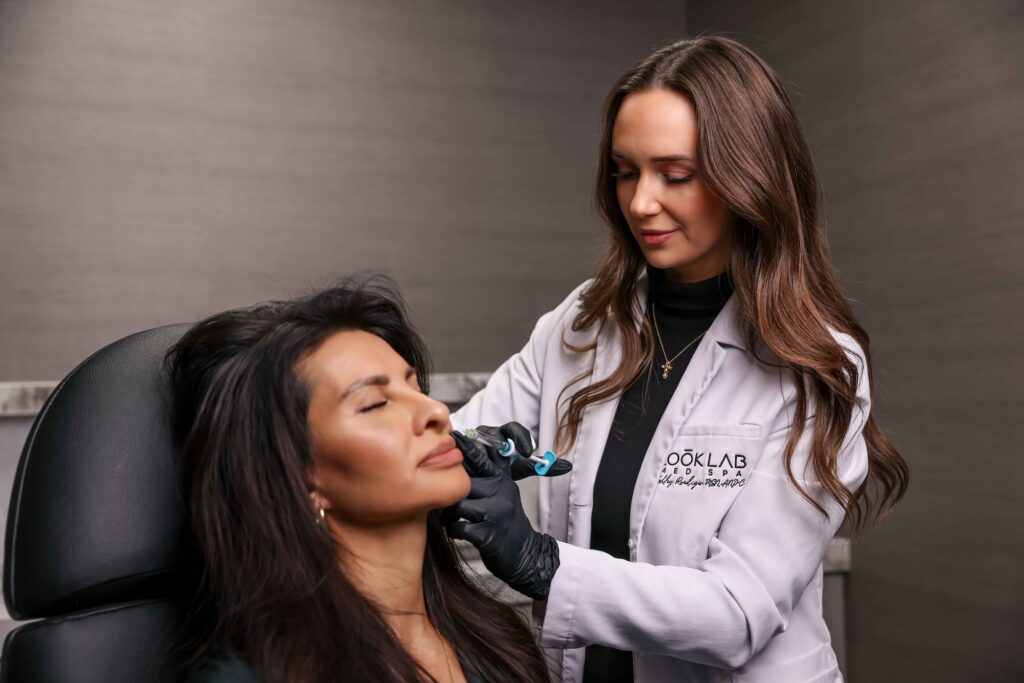
PRP hair treatment is a revolutionary option for hair restoration, helping stimulate hair follicles, improve blood flow, and activate natural growth factors in the scalp. Many patients choose PRP to address thinning hair, hair loss, or to improve the overall health of their hair. While the procedure is safe and highly effective, following proper aftercare instructions is essential to maximize results and minimize the risk of complications, such as infection, bruising, swelling, or irritation.
In this guide, we’ll cover the key things patients should avoid after their PRP hair procedure to ensure the best outcome and a smooth healing process.
1. Avoid Touching or Scratching the Treated Area
After your PRP hair treatment, your scalp may feel sensitive or slightly red. Avoid touching, scratching, or massaging the injection sites. Doing so can introduce bacteria, increase irritation, and affect the effectiveness of your growth factors.
2. Skip Strenuous Exercise and Sweating
For the first 24–48 hours, avoid exercise, walking, or any activity that causes heavy sweating. Sweat can irritate the scalp, increase redness, and slow the healing process. Even light cardio or body workouts should be postponed to protect your hair follicles.
3. Avoid Water, Swimming, and Saunas
After the procedure, refrain from washing your hair aggressively, swimming, or using saunas or hot tubs. Water, heat, and steam can increase the risk of infection, swelling, or discomfort in the treatment areas.
4. Limit Sun Exposure and UV Rays
Direct sunlight or UV rays can irritate the scalp and increase redness. Avoid sunbathing, tanning beds, and hats that rub against the treated area for the first few days. If you must go outside, a loose fitting hat and sunscreen designed for the scalp are recommended.
5. Avoid Hair Products, Chemicals, and Styling Tools
Stay away from hair products, styling tools, dyeing, coloring, creams, fragrances, and harsh chemicals for at least 48 hours. Avoid tight hairstyles that pull on the hair follicles. These precautions reduce irritation, discomfort, and the risk of affecting platelets and growth factors.
These products can irritate the scalp, reduce blood flow, and interfere with the platelets and growth factors that promote hair restoration. Even minor friction from hats or helmets can cause discomfort or bruising, so choose gentle, loose-fitting options.
6. Avoid Alcohol, Smoking, Caffeine, and Certain Medications
Alcohol, smoking, and excess caffeine can negatively affect blood flow and slow healing. Certain medications or supplements, such as aspirin, ibuprofen, Tylenol, Motrin, Advil, and vitamin E, may increase the risk of bruising or bleeding—always discuss diet, medications, and supplements with your provider before and after your PRP hair treatment.
7. Avoid Massage, Fillers, and RF Treatments on the Scalp
Do not combine massage, fillers, RF, or other hair treatments immediately after platelet-rich plasma (PRP) injections. These activities can disturb the platelets, reduce effectiveness, or increase pain and irritation. Wait until your provider gives clearance.
8. Reduce Stress and Follow Recovery Instructions
Stress can affect blood flow, slow healing, and influence hair growth. Follow your aftercare instructions carefully, maintain a healthy diet (foods like salmon, rich in omega-3s, are beneficial), and avoid risky activities during the recovery process.
9. Watch for Signs of Complications
Monitor the scalp for redness, swelling, discomfort, bruising, or signs of infection. If you notice unusual pain, pus, or inflammation, contact your PRP provider immediately. Early attention reduces the risk of complications and ensures your hair restoration goals stay on track.
Conclusion
Proper aftercare is crucial for achieving optimal results from PRP hair restoration. Follow your provider’s instructions, maintain a healthy diet, manage stress, and take precautions with medications and supplements to maximize the effectiveness of your PRP hair treatment.
By taking these simple steps, patients can achieve the best hair growth, minimize side effects, and safely and effectively reach their hair restoration goals. Remember, the success of your PRP hair treatment depends not just on the procedure itself, but also on the care you give your scalp and hair follicles during the healing process.
Achieve Fuller Hair with PRP Hair Restoration
Ready to rejuvenate thinning hair, strengthen hair follicles, and achieve fuller, healthier-looking hair with PRP hair restoration?
Look Lab Med Spa offers personalized PRP hair treatments, performed by experienced injectors who tailor each session to your unique hair loss patterns, scalp health, and restoration goals. Our team focuses on stimulating growth factors, improving hair density, and supporting natural hair regrowth, all while ensuring a safe and comfortable experience for your skin and scalp.
We proudly serve clients across multiple locations, including Arcadia, Scottsdale, Clayton, Denver, Paradise Valley, and Winter Park, making it convenient for patients to access professional, customized hair restoration care.
Schedule your appointment today, and let our skilled team design a personalized plan to enhance hair growth, restore confidence, and achieve your hair restoration goals naturally. During your consultation, we’ll evaluate your skin and scalp, discuss treatment options, and create a plan tailored to your needs.
For more information about PRP hair therapy and how it can help you regain thicker, healthier hair, contact us or fill out our online form, and a team member from one of our locations will respond promptly.
Frequently Asked Questions
What activities should I avoid after PRP hair treatment?
Avoid strenuous exercise, sweating, saunas, swimming, and any activity that could irritate the scalp for at least 24–48 hours. Gentle walking is usually safe.
Can I wash my hair immediately after PRP treatment?
No. Avoid shampoo or any hair products for the first day. When you do wash your hair, use gentle, lukewarm water and avoid rubbing the injection sites.
Are there any medications to avoid post-PRP treatment?
Yes. Avoid blood-thinning medications such as aspirin, ibuprofen (Motrin/Advil), Tylenol, and vitamin E unless approved by your provider. These substances can increase bruising and swelling.
Is it safe to dye my hair after PRP treatment?
It’s best to wait several days before coloring or dyeing your hair. Chemicals can affect the treated area and slow healing.
How long should I avoid heat styling after PRP therapy?
Avoid blow dryers, straighteners, and curling irons for at least 48 hours. Protecting the scalp from heat helps preserve platelets and growth factors.
Should I avoid swimming after PRP hair treatment?
Yes. Avoid pools, hot tubs, and open water for 24–48 hours. Water can introduce bacteria and increase the risk of infection or irritation.
When can I resume my normal haircare routine after PRP?
Most patients can gently resume normal hair care after 2–3 days. This is the best way to ensure the healing process is complete and that PRP growth factors can work effectively. Avoid harsh chemicals, tight hairstyles, or anything that might disturb the treated areas.
What is the role of aftercare in PRP hair treatment?
Proper aftercare plays a critical role in ensuring hair growth and maximizing treatment results. Following instructions on activities, products, and lifestyle habits helps protect platelets and scalp health.
Is there any difference between PRP treatments for men and women?
Yes, there can be differences in treatment areas, hair loss patterns, and the number of recommended sessions. Your provider will create a plan tailored to your needs and goals.
Is there something I can do to improve results?
Yes, maintaining a healthy diet, proper hydration, and avoiding smoking or alcohol can boost blood flow and support the healing process. Always follow your provider’s instructions for the best outcomes.