Hair loss can be frustrating for many people, whether caused by genetics, stress, hormonal changes, or aging. As more individuals explore non-surgical hair restoration treatment options, PRP hair restoration has become a popular solution. One of the most common questions patients ask is, “How fast will you see results from PRP hair restoration?”
The answer depends on several factors, including your unique hair loss condition, the treatment plan, and your body’s natural healing response. Below, we’ll break down the timeline, what to expect, and how to maximize your results.
What Is PRP Hair Restoration?
PRP (platelet-rich plasma) therapy is a non-surgical procedure that uses your own blood to stimulate hair growth and support hair follicles. During this process, a small amount of blood is drawn and placed into a centrifuge, which separates the plasma rich in platelets and growth factors.
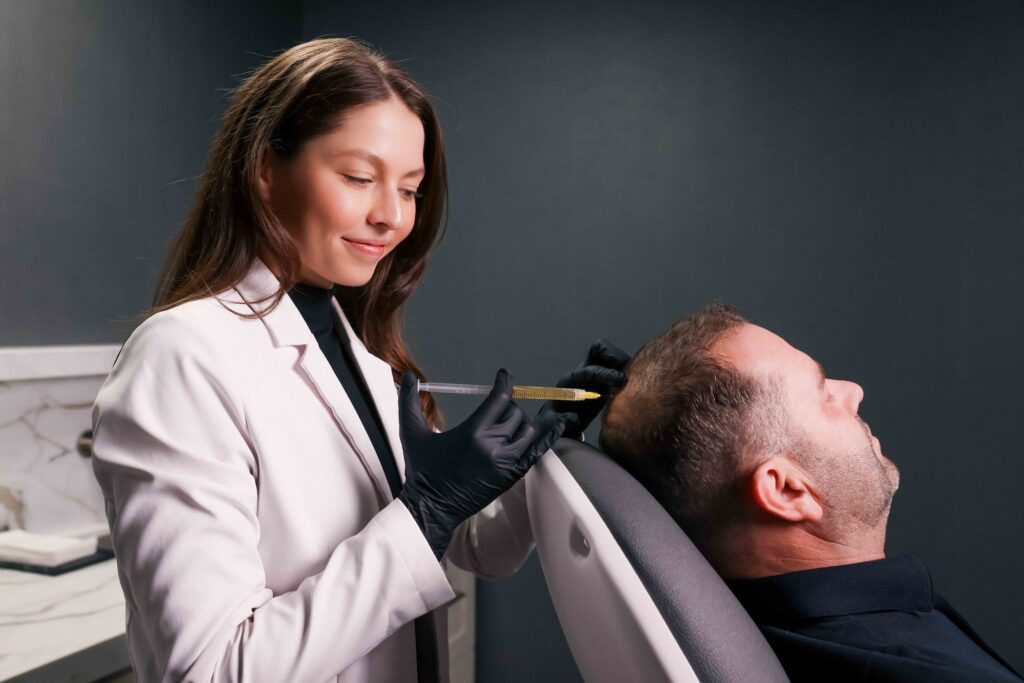
This concentrated substance is then delivered through precise injections into targeted areas of the scalp, helping promote regeneration, improve blood supply, and encourage hair regrowth.
Unlike surgery, PRP is considered a minimally invasive hair loss treatment with little downtime, making it an attractive option for both men and women experiencing hair thinning, pattern baldness, or early-stage alopecia.
PRP Hair Restoration Timeline: How Fast Does It Work?
Understanding the timeline is key to setting realistic expectations. PRP is a gradual approach that relies on consistency, patience, and a structured series of sessions.
Weeks 1–3: Initial Healing and Stimulation
After your first session, the scalp begins the early stages of healing. The growth factors activate dormant hair follicles, initiating the growth phase.
- Mild tenderness or side effects like redness may occur
- Increased blood supply supports stimulation
- No visible improvement yet
Weeks 4–8: Early Signs of Progress
During this stage, some patients begin noticing subtle changes.
- Reduced hair loss or shedding
- Early hair regrowth in treated spots
- Improved hair quality and texture
While the effects are still developing, this phase marks the beginning of visible progress.
Months 2–4: Noticeable Improvements
This is when most individuals start to see measurable outcomes.
- Increased hair density and thickness
- Stronger, healthier hairs
- Visible improvements in thinning areas
The effectiveness of the PRP treatment becomes more apparent, especially for those following a consistent treatment plan.
Months 4–6: Optimal Results
By this stage, the full benefits of PRP therapy are typically visible.
- Significant hair regrowth
- Fuller appearance of the head
- Improved overall hair restoration results
Many patients feel more confident in their appearance, as the procedure enhances both hair density and natural rejuvenation.
How Many PRP Sessions Do You Need?
Most treatment plans recommend a series of 3–4 initial sessions, spaced about 4–6 weeks apart.
After the initial phase:
- Maintenance sessions every 4–6 months
- Adjustments based on individual needs and goals
- Ongoing health sessions to support long-term success
The total number of sessions varies depending on your stage of hair loss and overall hair restoration goals.
What Affects How Fast PRP Works?
Not all patients experience the same timeline. Several key factors influence how quickly you’ll see results:
1. Stage of Hair Loss
Early cases of hair thinning respond faster than advanced baldness.
2. Overall Health
Your body’s healing ability and circulation impact effectiveness.
3. Age and Genetics
Age and genetics play a role in hair growth and regeneration.
4. Consistency of Treatment
Following the recommended treatment plan improves outcomes.
5. Provider Experience
Choosing experienced providers at a reputable clinic can significantly influence your results.
What Does PRP Feel Like?
The procedure is generally well-tolerated. During the appointment:
- A topical numbing agent may be applied
- Small injections are administered across the scalp
- The entire process typically takes about 45–60 minutes
Most patients report minimal discomfort and a quick recovery.
Are There Any Side Effects?
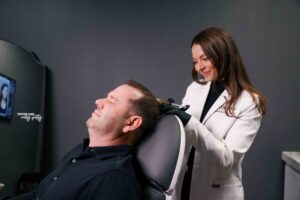
PRP is considered safe because it uses your own blood. However, mild side effects may include:
- Redness or slight swelling
- Minor soreness at injection areas
- Temporary sensitivity
These effects usually resolve within a few days, with little to no downtime.
Who Is a Good Candidate for PRP Hair Restoration?
PRP works best for candidates experiencing:
- Early to moderate hair loss
- Hair thinning or reduced hair density
- Pattern baldness
- Certain types of alopecia
It may not be ideal for advanced cases where hair follicles are no longer active.
A professional consultation with a qualified provider can help determine your suitability.
How to Maximize Your PRP Results
To improve your results and long-term success, consider the following approach:
- Follow your recommended treatment plan
- Stay consistent with scheduled sessions
- Maintain good health and scalp care
- Address underlying factors like stress or medication
- Combine with other hair restoration solutions if needed.
Consistency and proper maintenance are key to lasting results. To protect your results, it’s important to follow proper aftercare, including understanding what to avoid after PRP hair treatment to support healing and hair growth.
PRP vs Other Hair Restoration Treatments
Compared to other treatments, PRP offers several unique benefits:
- Non-surgical alternative to surgery
- Minimal downtime
- Uses natural components from your own body
- Supports long-term regrowth and rejuvenation
However, some individuals may explore alternatives such as medications or surgical procedures depending on their needs.
Final Thoughts
So, how fast will you see results from PRP hair restoration?
PRP delivers gradual, reliable improvement rather than instant changes. Most patients begin to notice progress within the first few months, with fuller, more noticeable results developing over time based on your treatment plan, consistency, and individual factors.
For many men and women, PRP offers a non-invasive solution that supports natural hair growth, improves hair quality, and enhances overall appearance when paired with proper maintenance.
If you’re considering PRP hair restoration, a professional consultation can help assess your goals, determine your suitability, and create a personalized approach for long-term success.
Start Your Hair Restoration Journey at Look Lab Med Spa
If you’re ready to address hair loss and improve your overall appearance, the experienced experts at Look Lab Med Spa are here to help. Our team provides personalized PRP hair restoration treatment plans designed to support natural hair regrowth, enhance hair density, and deliver long-term results.
During your consultation, we’ll evaluate your scalp, discuss your goals, and determine whether PRP therapy is the right solution for your specific needs. Whether you’re dealing with early hair thinning or more advanced pattern baldness, our tailored approach focuses on safe, effective hair restoration treatment with minimal downtime.
We proudly serve patients across multiple locations, including Winter Park, Denver, Scottsdale, Arcadia, and Clayton, making it easy to access high-quality treatments close to you.
Take the next step toward healthier, fuller-looking hair.
Call our office by phone or fill out our contact form to schedule your appointment and learn how Look Lab Med Spa can help you achieve your hair restoration goals.
Frequently Asked Questions
How soon will I see hair regrowth after PRP?
Most patients notice early progress within 4–8 weeks, with more visible results after 2–3 months.
How many sessions are needed for PRP hair restoration?
A typical treatment plan includes 3–4 initial sessions, followed by regular maintenance.
Is PRP effective for both men and women?
Yes, PRP is commonly used for both men and women experiencing hair loss or hair thinning.
Does PRP work for severe baldness?
PRP is most effective in early to moderate cases. Advanced baldness may require alternative solutions.
Are the results permanent?
Results can be long-lasting with proper maintenance and ongoing sessions, but continued care is essential.